Are Victorian Jewellery Pieces Still Worth Buying in 2026? Here's the Truth
Victorian jewellery remains worth buying in 2026 when the piece has value beyond its metal content. The relevant distinction is not simply antique versus modern. It is auction value versus scrap value.
Scrap buyers calculate primarily from weight, fineness and the prevailing precious-metal price. Jewellery buyers assess additional attributes: design, gemstones, condition, originality, rarity, provenance and wearability.
A Victorian piece can therefore sell for substantially more than its melt value. It can also fail to attract a premium if it is damaged, poorly repaired, incomplete or incorrectly described.
The auction-versus-scrap answer
Scrap value is a material calculation:
Weight × precious-metal fineness × applicable bullion price
This calculation excludes workmanship, historical context and design. It also excludes most of the value created by gemstones.
Auction value uses a broader calculation. A Victorian ring, brooch or pendant may attract a premium because it has:
- A recognisable period design
- Natural or desirable gemstones
- Original components
- Good condition
- Clear hallmarks
- A known maker or retailer
- Documented provenance
- Practical wearability
- Strong collector demand
Recent UK auction results demonstrate the difference.
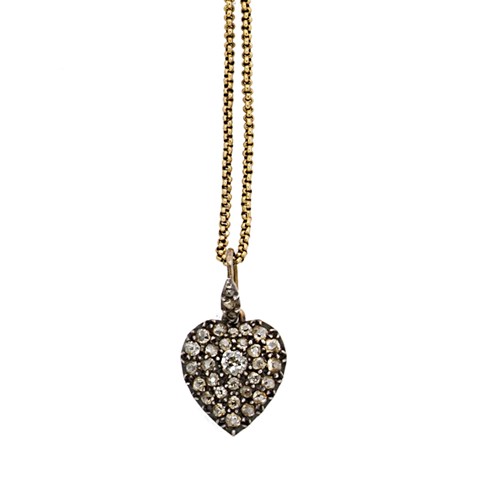
At Cheffins’ jewellery, silver and watches sale on 20 August 2026, a Victorian diamond-set heart-shaped pendant sold for £1,400. The same sale included a diamond-set crescent brooch sold for £300 and a diamond-set necklace sold for £700.
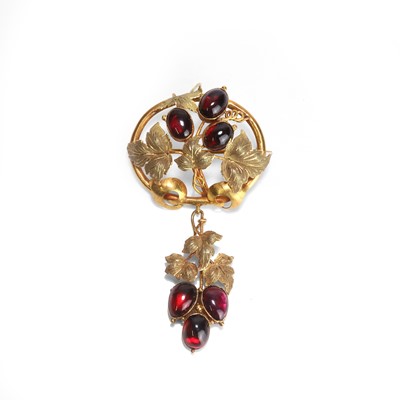
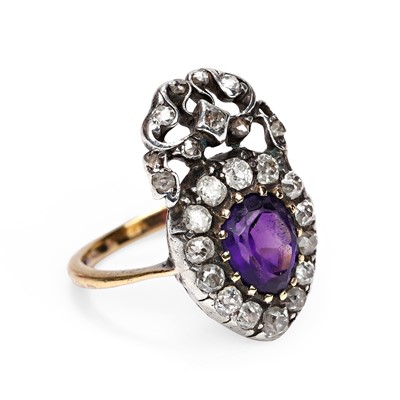
At Sworders’ Fine Jewellery and Watches sale on 2 June 2026, Victorian and antique pieces achieved a wide range of prices. A Victorian cabochon garnet pendant brooch sold for £750. A Victorian amethyst and diamond ring sold for £1,300. A Victorian diamond cluster pendant sold for £6,500.
These results do not mean every Victorian item will outperform scrap. They demonstrate that the market assigns value to quality, design and scarcity when those features are present.
What drives the value of Victorian jewellery?
1. Gold carat and construction
The gold content establishes the minimum material value, but it does not determine the full market price.
Victorian jewellery may be made in 9ct, 15ct, 18ct or higher-carat gold. Higher-carat gold can support a stronger material floor, although carat alone does not make a piece collectible.
Construction also matters. A well-made item with a secure setting, balanced proportions and substantial manufacture is more likely to retain a design premium than a lightweight or heavily worn example.
Gold may also be combined with silver, particularly in diamond settings. This was used to reduce the visible darkening caused by oxidation around stones and to create contrast against the gemstones.
2. Gemstones
Gemstone quality can move a Victorian item decisively away from scrap valuation.
Relevant factors include:
- Species and variety
- Natural or synthetic origin
- Treatment
- Colour
- Clarity
- Size
- Cut
- Condition
- Matching and originality
Victorian jewellery commonly features diamonds, garnets, amethysts, turquoise, seed pearls, coral, sapphires and rubies. The market does not value all examples equally.
An attractive natural stone in an original period setting may command a meaningful premium. A damaged, heavily abraded or replaced stone may contribute little. Victorian diamonds may also have old cuts with irregular facets and softer outlines. Their value should not be assessed using modern round-brilliant standards alone.
3. Design and period identity
Victorian jewellery covers a long period from 1837 to 1901. Styles changed significantly during the reign of Queen Victoria.
Common design categories include:
- Early Victorian Romantic and sentimental jewellery
- Mid-Victorian archaeological and revivalist designs
- Mourning jewellery
- Gothic and Renaissance revival pieces
- Late Victorian diamond, pearl and gem-set jewellery
- Botanical, crescent, star, heart and floral motifs
A piece with a clear period identity is easier to catalogue and market than a generic item described only as “old gold jewellery”.
Wearability is also material. A well-proportioned pendant or ring can appeal to both collectors and jewellery buyers. Large, fragile or impractical pieces may have a narrower market even when they are historically interesting.
4. Condition and originality
Condition is one of the main differences between an auction-quality piece and a scrap candidate.
Inspect for:
- Cracks in gemstones
- Missing stones
- Replaced stones
- Damaged claws
- Split or repaired shanks
- Solder repairs
- Rebuilt settings
- Missing enamel
- Worn engraving
- Detached components
- Excessive thinning
- Broken chains or clasps
Repairs do not automatically eliminate value. Period jewellery was often altered, resized or repaired during its lifetime. The issue is whether the work is stable, sympathetic and properly disclosed.
Originality generally supports value. However, a competent later alteration may improve wearability and preserve demand. The effect depends on the object and the quality of the work.
5. Hallmarks, maker’s marks and provenance
Hallmarks can help establish metal fineness, assay office and date range. They should be examined with magnification and interpreted in context.
A hallmark is not proof that every component is original. Pendants may have later chains. Rings may contain replacement stones. Brooches may have altered fittings. Attribution requires assessment of the entire object.
Maker’s marks and retailer’s names can increase interest when they are identifiable and documented. Provenance can also support a premium, particularly where ownership, family history or an association with a notable person is verifiable.
Unsubstantiated stories should not be treated as provenance. A credible description requires records, receipts, published references or other supporting evidence.
How to compare a Victorian piece with scrap value
A basic comparison should use five figures:
- Gross weight
- Gold fineness
- Estimated fine-gold content
- Current scrap-buying rate
- Total acquisition cost
Gemstones and other non-metal components must be excluded from the metal calculation. A weighing result for the complete item is not equivalent to the gold weight.
The acquisition cost must include relevant charges. At auction, this may include buyer’s premium, VAT where applicable, postage, insurance and restoration. A low hammer price can become a substantially higher total price after charges.
The comparison should then separate the item into three values:
- Scrap floor: what the metal may realise through a refiner or scrap buyer
- Auction estimate: what comparable pieces may achieve in a specialist sale
- Retail or replacement value: what a comparable item may cost from a dealer
These are different measurements. Retail value is not an expected resale price. Auction estimates are not guarantees. Scrap value is not the same as the full market value of a finished jewel.
When Victorian jewellery is not worth buying
A Victorian piece may be a poor purchase when:
- The asking price is based only on an unsupported historical claim
- The item is heavily damaged
- Stones are missing or extensively replaced
- The setting is unsafe
- The hallmark is inconsistent with the design
- The piece has been substantially reconstructed
- The total cost is far above comparable auction results
- The only identifiable value is its gold weight
- Restoration costs exceed the likely market premium
Low-priced jewellery is not automatically undervalued. It may be priced near scrap because the market has already identified condition, authenticity or demand problems.
Victorian jewellery versus antique gold coins
Victorian jewellery and antique gold coins should not be assessed using the same valuation model.
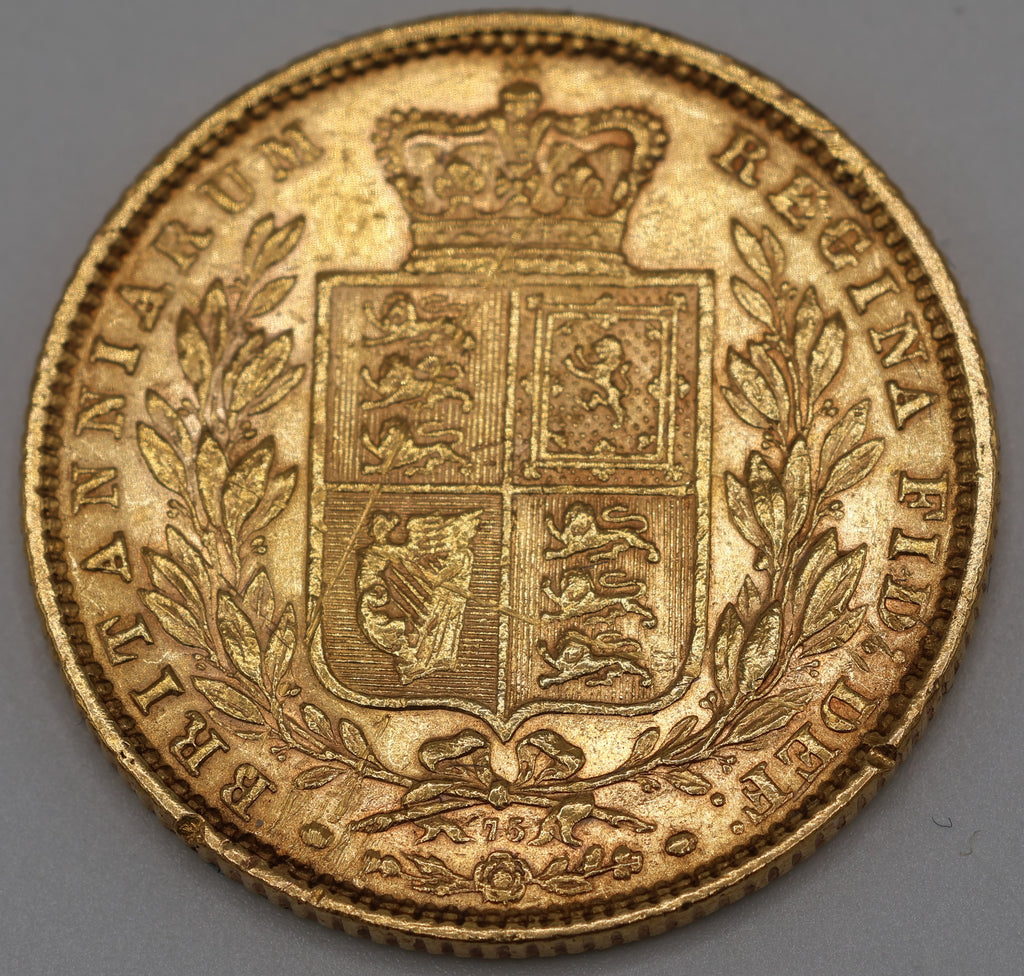
A Victorian gold coin may have a relatively standard specification, established cataloguing conventions and a transparent precious-metal content. Gold2u’s 1871 Queen Victoria Full Gold Sovereign, for example, is listed with a weight of 7.98 grams, 7.3224 grams of pure gold and a fineness of 916.7. The product description identifies the Young Head Shield Back design, London Mint origin and die number.
Gold2u also lists an 1855 Queen Victoria Full Gold Sovereign and an 1893 Queen Victoria Gold Sovereign. These examples show how date, portrait, mintmark, die variety and condition can add numismatic value to a standard gold specification.
Jewellery is less standardised. Weight, alloy, stones, workmanship, originality and condition vary from one item to the next. Its premium must be established through comparable pieces rather than metal content alone.
The 2026 conclusion
Victorian jewellery is still worth buying in 2026, but not indiscriminately.
The strongest purchases are pieces where the price is supported by several independent factors:
- Sound construction
- Attractive and recognisable design
- Original or well-matched gemstones
- Appropriate gold fineness
- Good condition
- Clear hallmarks
- Reliable attribution
- Documented provenance
- Evidence of comparable buyer demand
Auction can beat scrap because buyers are paying for more than recoverable metal. They are paying for historical design, gemstone quality, craftsmanship and scarcity.
The reverse is also true. When those attributes are absent, scrap may be the more accurate valuation. A Victorian date alone does not create a premium.
The practical assessment is therefore direct: calculate the scrap floor first, then determine whether the design, materials, condition and historical interest justify the difference. This approach applies equally to antique jewellery, antique gold coins and the wider fine jewelry UK market.