How to Start Collecting Raw Gold Under £100: A Beginner's UK Guide
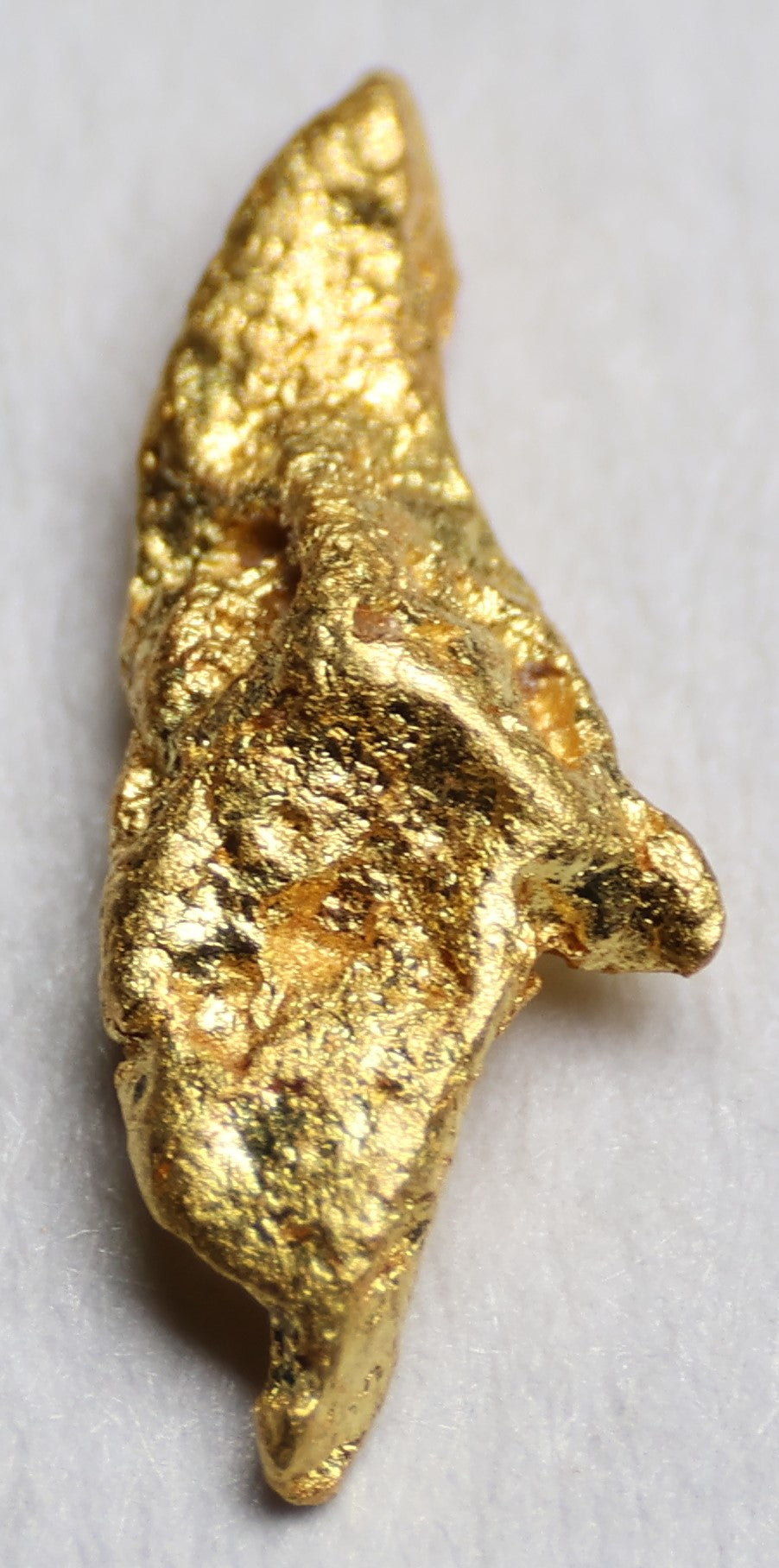
Collecting raw gold under £100 is possible in the UK. The most accessible route is a small natural gold nugget with a documented weight, stated origin and photographs of the actual specimen.
This is collecting, not investing. The purchase is for the specimen, its natural formation, its provenance and its individuality. No return is guaranteed. Gold2u does not provide financial advice.
What £100 realistically buys
A £100 budget does not usually buy a substantial bullion bar or a large natural nugget. Physical gold is priced by weight, purity and the seller’s premium. Small purchases also carry proportionally higher premiums because packaging, verification, photography, handling and fulfilment costs remain relevant even when the gold content is very low.
At this budget, the realistic options are:
- One small natural gold nugget.
- Several very small specimens.
- A small fractional bullion product.
- A sample collected for geological or educational interest.
- A nugget retained for later conversion into a simple piece of jewellery.
Weight is only one part of the decision. Two nuggets with similar weights can differ substantially in shape, surface texture, provenance and collector appeal. A compact, textured specimen may be more interesting to a collector than a heavier but visually uniform piece.
For a collecting objective, the physical object matters. A natural nugget is not simply a quantity of metal measured into a standard form.
Why start with a natural gold nugget?
Fractional bullion provides standardisation. The weight, fineness and dimensions are controlled. This is useful when the primary objective is exposure to a specified quantity of refined gold.
A natural gold nugget provides a different ownership experience:
- It has an irregular, naturally formed shape.
- Its surface shows geological texture.
- It is not cast into a uniform bar.
- No two individual specimens are identical.
- The origin can form part of the collection record.
- It can be displayed, studied or incorporated into jewellery.
This makes a nugget a suitable entry point for a beginner interested in natural history, precious metals and specimen collecting. The collector is acquiring an object with character rather than only a measured quantity of refined material.
Natural gold nuggets can be placer, crystalline, crystal gold or gold associated with quartz. Small Australian nuggets are commonly selected by beginners because Australia has a long-established association with alluvial gold and natural nugget production. The precise classification and provenance should always be based on the seller’s description and documentation.
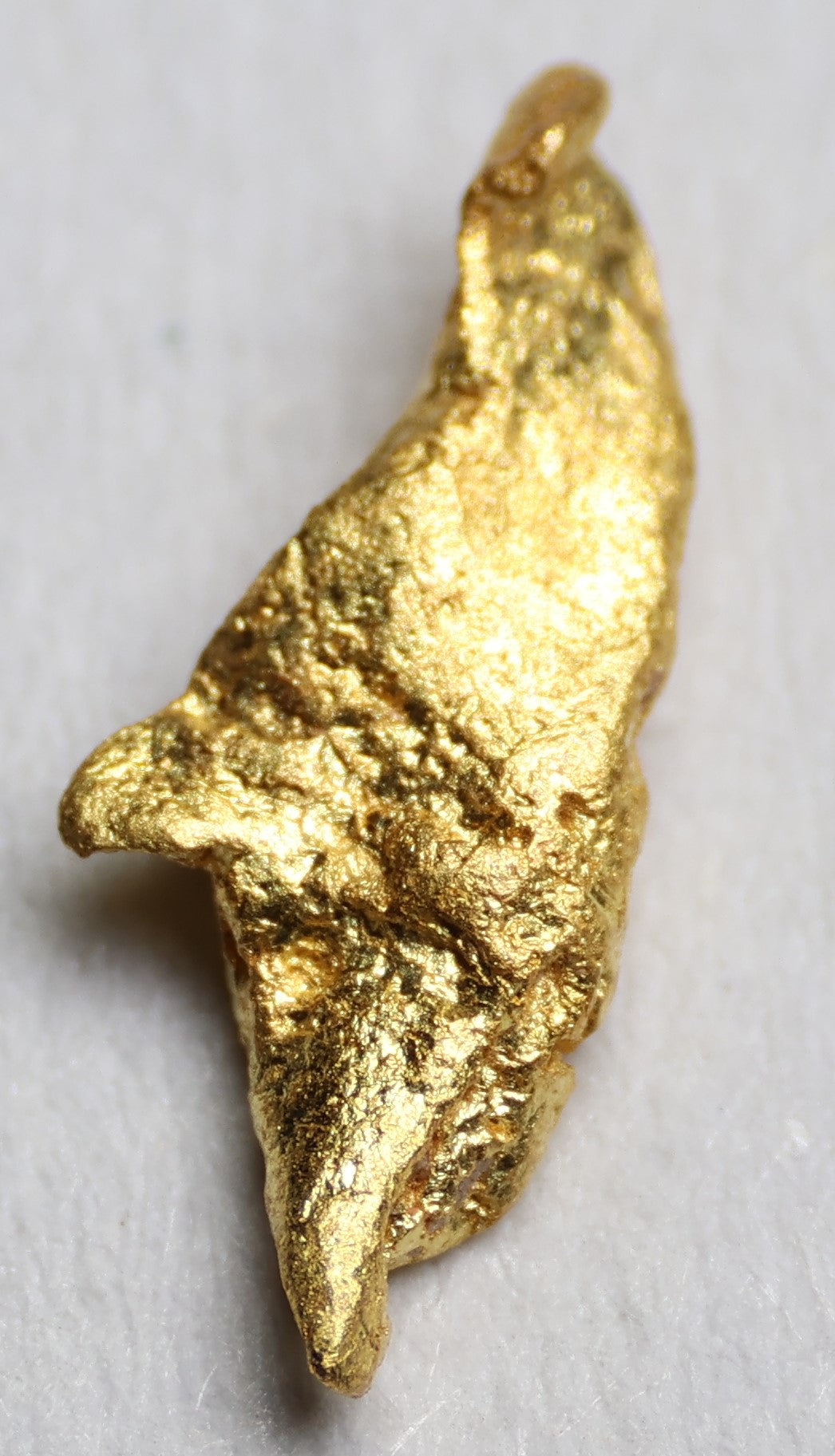
The Gold2u 0.095g natural Australian gold nugget
The 0.095 gram Natural Australian Gold Nugget is positioned as an accessible starting specimen at £35 for this guide.
The listing identifies:
- Weight: 0.095 grams.
- Origin: Australia.
- Stated natural purity: 92–99% gold.
- Form: naturally formed nugget.
- Delivery: UK delivery within three working days is stated on the product page.
- Shipping: insured shipping and free UK delivery are stated on the listing.
At 0.095g, the specimen is small. It should not be expected to resemble a coin, bar or large display nugget. Its scale is part of the collecting proposition. The piece can be held, examined under magnification and stored in a compact specimen container.
The value for a beginner is the combination of a physical gold object, a stated weight, an identified origin and a low entry price. It provides a first reference point for future purchases. A second specimen can then be compared by weight, colour, texture, shape and formation.
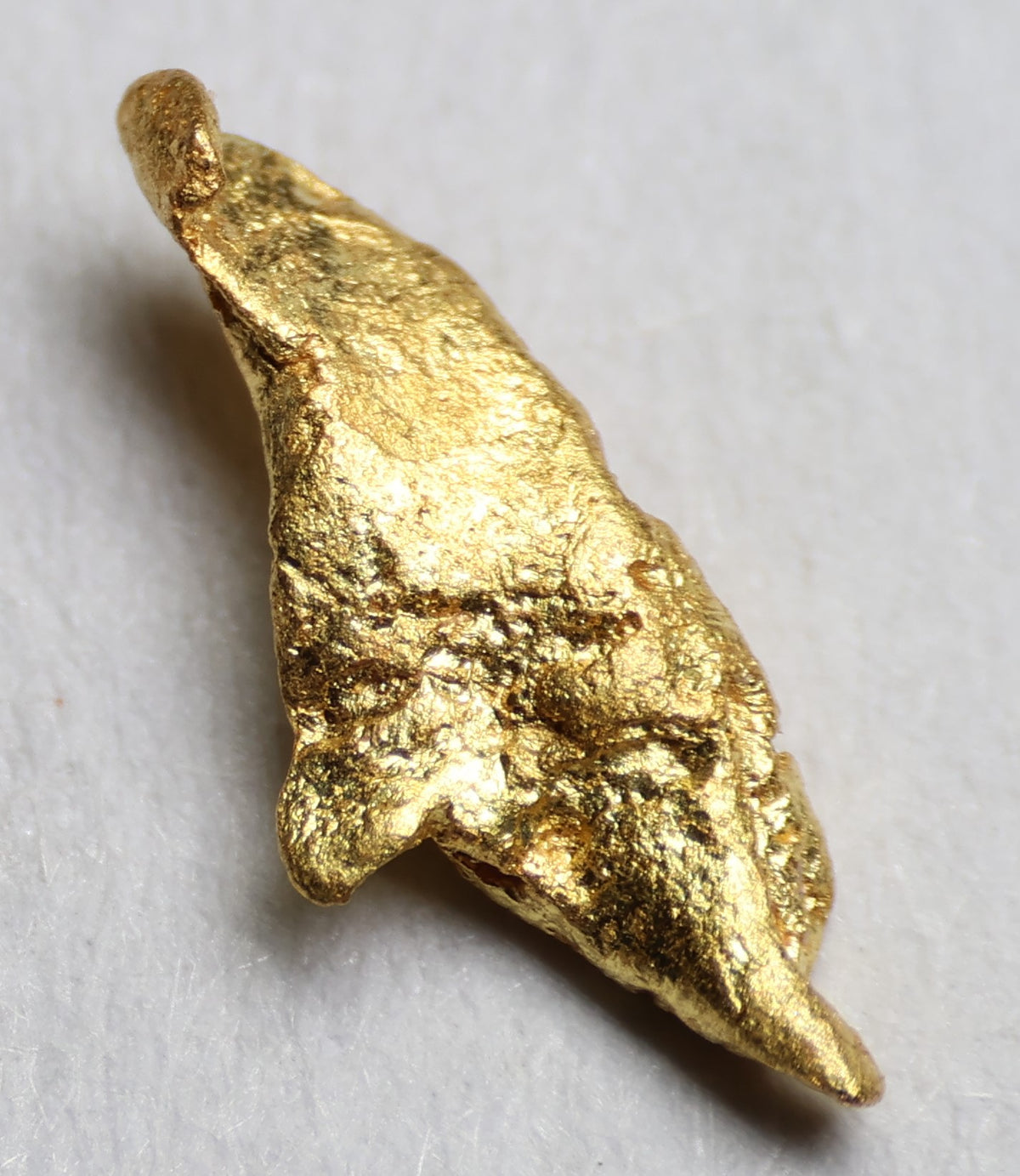
The product photographs show the individual nugget from multiple angles. This is important because a natural object cannot be represented accurately by a generic product image.
What to check before buying
A credible listing for a small raw gold nugget should provide enough information to identify the specimen and assess the transaction.
1. Precise weight
The weight should be stated in grams, preferably to three or four decimal places for a small piece. “Small nugget” is not a sufficient measurement.
A listing stating 0.095g is more useful than one stating only “under one gram”. Precision allows the purchase to be recorded and the specimen to be compared with future additions.
2. Stated origin
The origin should be identified where known. “Australian gold” is more informative than “natural gold” without a location.
Provenance does not automatically establish quality or value. It provides collection context and supports accurate labelling.
3. Photographs of the actual specimen
Natural nuggets differ in shape and texture. Stock images, illustrations or repeated photographs of a different nugget do not establish what will be supplied.
Multiple views are preferable. They show the front, reverse, edges and any cavities or matrix material.
4. Scale reference
A close-up photograph can make a small nugget appear larger than it is. A scale reference, dimensional information or clearly stated weight helps establish the physical size.
Photographs should be assessed alongside the gram weight. Visual impression alone is unreliable.
5. Clear purity wording
Natural gold is not necessarily chemically identical to refined bullion. Gold nuggets may contain silver and other naturally occurring elements. A seller should state the available purity information without implying that every specimen is equivalent to a 24-carat bar.
What to avoid
The following conditions should be treated as warning signs:
- No precise weight.
- No stated origin.
- No photograph of the actual specimen.
- Stock imagery used in place of specimen photography.
- Unverified seller identity or unclear contact information.
- Claims that a nugget will produce a guaranteed return.
- Language describing the purchase as risk-free wealth.
- Unsupported claims about rarity, purity or discovery location.
- Pressure to purchase immediately.
- A price described as an investment opportunity without adequate product information.
A natural nugget can have collector interest and physical gold content. Neither establishes a guaranteed resale price.
How to store a small gold nugget
A small nugget can be stored in a clear specimen vial, gem jar or compartmentalised display box. The container should close securely and prevent the piece from being lost during handling.
A basic collection record should include:
- Purchase date.
- Seller.
- Weight.
- Stated origin.
- Stated purity.
- Product description.
- Purchase price.
- Product photographs.
Avoid storing a nugget loose in a wallet, jewellery box or open tray. The piece is small enough to be misplaced easily. Avoid unnecessary rubbing, polishing or abrasive cleaning. Natural surface texture is part of the specimen.
Keep the nugget dry and separate from materials that may scratch it. Gold is resistant to corrosion, but attached minerals, delicate projections and natural cavities may be vulnerable to rough handling.
How to display it
A small nugget can be displayed in:
- A clear glass specimen vial.
- A shallow mineral display box.
- A labelled collector’s tray.
- A small acrylic case.
- A magnifying display container.
The display label can include the weight, origin and acquisition date. A neutral background improves visibility. Strong direct light can create glare and make surface detail difficult to inspect. Diffused directional light is more suitable for viewing texture.
A magnifying loupe or macro lens can be used to examine natural cavities, folds and crystalline features. The item should be handled over a tray or soft surface.
Three ways to build the collection
1. Start with one nugget and learn it
The first specimen establishes a baseline. Record its weight, origin, colour, dimensions and surface features. Examine both sides and compare the physical object with the listing photographs.
This approach avoids buying several poorly documented pieces before the basic characteristics of natural gold are understood.
2. Add a larger specimen and compare
The next purchase can be selected for contrast rather than simple repetition. Compare:
- 0.095g with a heavier specimen.
- Smooth placer texture with more crystalline texture.
- Compact form with an elongated form.
- Single nugget with a group of placer nuggets.
- Australian origin with another documented locality.
Gold2u’s natural gold nugget collection includes sample sizes and larger specimens. Availability and pricing vary.
3. Convert a nugget into a pendant
A suitable nugget can be assessed by a professional jeweller for conversion into a pendant. The design should preserve the natural form and provide secure suspension.
Very small nuggets may be suitable for a discreet charm-style piece, subject to their structure and the jeweller’s assessment. A setting should not be attached solely because a nugget is visually attractive. Fragile projections, cavities and irregular balance points require technical consideration.
The natural gold nugget pendant guide covers bail design, chain weight, suspension and ways to retain the original surface.
What is not realistic under £100?
A £100 budget is not realistic for:
- A large Australian nugget.
- A multi-gram natural gold specimen.
- A low-premium investment product with substantial gold weight.
- A guaranteed profit.
- A complete collection with significant market value.
- A professional assay of every small purchase unless separately arranged.
The realistic objective is a documented first specimen. The collection can then develop gradually through comparison, record keeping and selective purchases.
FAQ
Is it possible to buy raw gold under £100 in the UK?
Yes. Small natural gold nuggets and sample specimens can be available below £100. The weight is usually fractional, and the price includes a premium over the raw metal content.
Is a natural gold nugget an investment?
It is a physical collectible containing natural gold. It should not be treated as a guaranteed investment or a product with a guaranteed return. Resale value depends on factors including gold prices, purity, weight, provenance, appearance, demand and buyer verification.
Is the 0.095g nugget suitable for a beginner?
It is suitable as an entry-level specimen for a beginner who wants a small natural Australian gold nugget with a stated weight and origin. Its small size should be considered before purchase.
Why is the nugget priced above the value of its gold weight?
The price can include premiums for sourcing, verification, photography, handling, packaging, fulfilment, provenance and collector interest. Natural nuggets are individual specimens rather than standardised bullion units.
How should a small nugget be weighed?
Use a calibrated digital balance capable of measuring to at least 0.001g. Place the nugget on a clean weighing surface and keep the container separate from the measurement.
Can a small nugget be made into a pendant?
Possibly. Suitability depends on the nugget’s shape, structure, weight, balance and attachment point. A professional jeweller should assess the specimen before any drilling, soldering or setting work.
Is this financial advice?
No. This is a collecting guide. Natural gold nuggets can carry financial value, but no outcome, appreciation or resale price is guaranteed.