Natural Gold Nuggets: A Beginner's Guide to Starter Samples
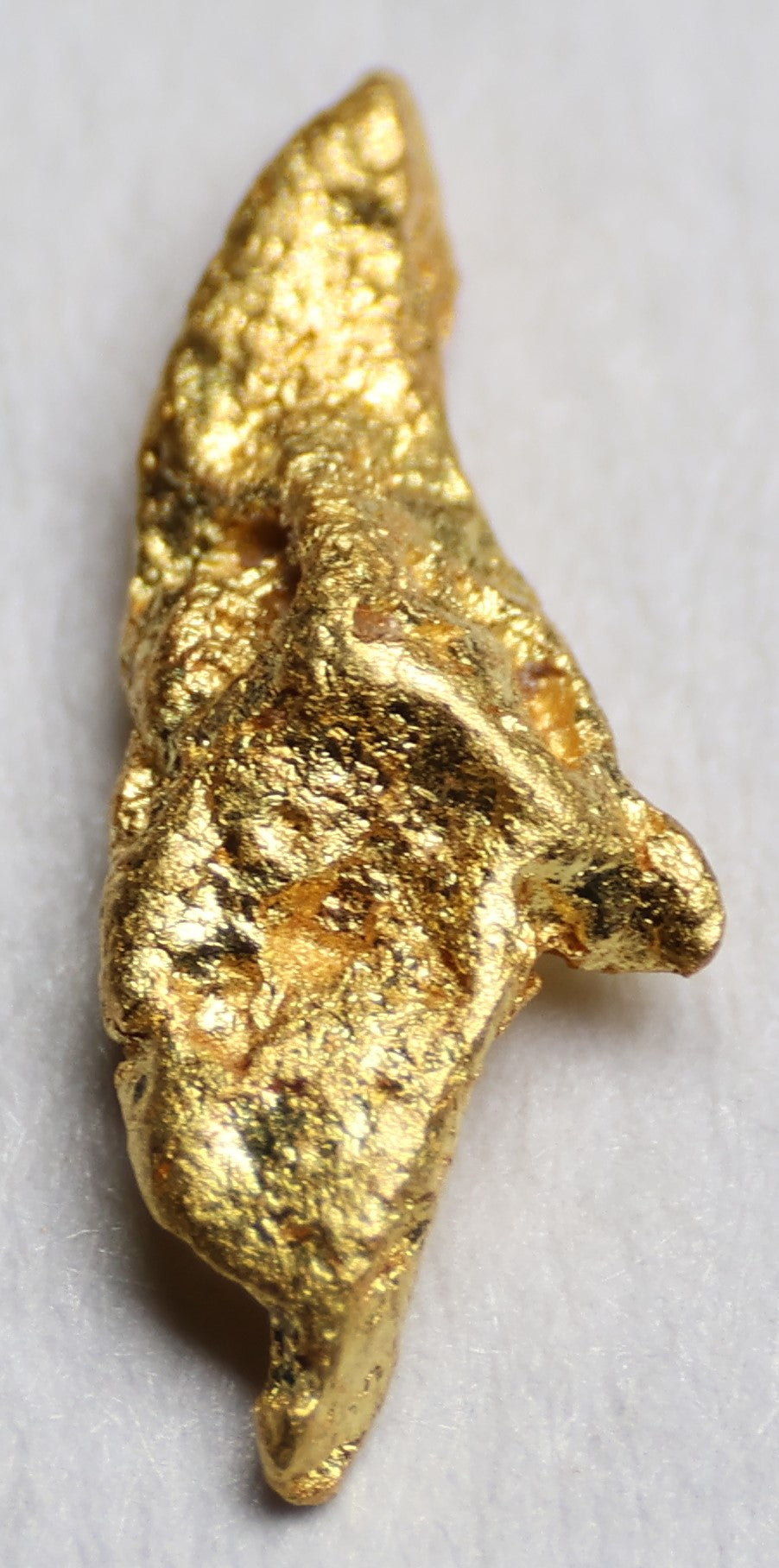
Natural gold nuggets are pieces of gold formed by geological processes and recovered in their original metallic form. They are not cast into standard shapes, struck as coins or refined into bars. Each nugget has an individual shape, surface, colour and internal structure.
A starter sample provides a lower-cost way to examine these characteristics before purchasing a larger specimen.
What is a natural gold nugget?
A natural gold nugget is native gold that has formed and accumulated in the earth before being recovered. Alluvial nuggets are transported by water from their original deposit and may become rounded or textured through erosion.
The original form remains part of the specimen. Natural features can include:
- Irregular contours
- Rounded or angular edges
- Natural cavities
- Ridges and depressions
- Porous or crystalline surfaces
- Quartz or other mineral inclusions
- Variations in yellow colour and metallic lustre
A cast gold bar is different. It is melted, refined and manufactured to a specified weight and shape. A gold coin is also manufactured, normally from refined metal, and carries an intentional design created by dies.
A natural nugget is not standardised. Its geological architecture is the defining feature.

Why natural nuggets can command a premium
The value of a natural gold nugget is not determined solely by its fine-gold content.
A bullion product is usually priced according to:
- Gross weight
- Fineness or purity
- The prevailing gold price
- The dealer’s premium
A natural nugget is assessed as both a precious-metal item and a geological collector specimen. Its price may include a premium for:
- Rarity
- Shape and surface character
- Size
- Purity
- Provenance
- Visual appeal
- Regional origin
- Collector demand
Most gold is recovered from ore and then processed. It does not occur as large, intact nuggets. Recoverable natural nuggets are therefore a limited category of gold material.
Two nuggets with the same weight can have different prices. A distinctive specimen with a documented Australian origin may attract more collector interest than a plain or heavily altered piece of equivalent weight.
The premium is not a guaranteed investment return. Resale depends on authenticity, documentation, market demand, dealer reputation and the condition of the specimen.
What “natural” and “raw” mean
In a gold listing, “natural” should mean that the item originated as naturally occurring gold and retains its original form.
“Raw” generally indicates that the nugget has not been melted into a bar or extensively reshaped. Light cleaning or the removal of loose dirt does not necessarily change its natural status. Cutting, polishing, melting or casting does.
A genuine natural nugget should not show:
- A mould seam
- Repeated or uniform surface markings
- Casting bubbles
- Machine-cut edges
- Identical form to other pieces from the same listing
- A perfectly regular manufactured profile
Appearance alone is not conclusive. A natural nugget can be bright, dull, smooth, porous or partly mineralised. Lighting can also alter how colour and texture appear in photographs.
Professional verification may include density testing, acid testing or X-ray fluorescence analysis. Valuable specimens should not be scratched, filed or exposed to chemicals without an appropriate reason. A seller should provide authenticity information before purchase.
Typical purity of Australian natural gold nuggets
Natural gold is rarely 100% pure. It normally contains naturally occurring silver, copper and other trace elements.
Gold2u’s natural Australian gold nugget listings state an approximate purity range of 92–98% natural gold, depending on the individual specimen. This corresponds broadly to approximately 22–23 carat material, although the exact composition can vary by deposit and sample.
Fine-gold content can be estimated as:
Gross weight × stated purity = approximate fine-gold weight
For example, a 0.2004-gram nugget at 96% purity would contain approximately 0.1924 grams of fine gold.
This calculation does not determine the complete value. Shape, rarity, origin and collector demand remain relevant.
Why provenance matters
Provenance records where the nugget came from and, where available, how it was recovered.
Useful provenance information can include:
- Country of origin
- Australian state or goldfield
- Regional locality
- Mine or deposit
- Recovery method
- Previous ownership
- Assay or verification records
Australian gold has a long history of alluvial recovery and established goldfields. A stated Australian origin provides useful context. More specific locality information can provide additional collector interest when it is documented.
Country of origin should not be confused with a precise mine location. If the exact find site is unknown, the listing should state the available information without implying greater certainty.
Choosing a starter sample
A first purchase does not need to weigh several grams. Small natural gold nugget samples provide an accessible introduction to the category.
A starter sample allows a new collector to:
- Examine natural texture and colour in hand
- Understand the scale of a fraction-of-a-gram specimen
- Compare physical weight with visual size
- Test how the nugget photographs under different lighting
- Begin a collection without a large initial outlay
- Establish preferences for shape, surface and provenance
Gold2u’s natural gold nugget collection includes sample sizes and larger natural Australian specimens.
The 0.095 gram Natural Australian Gold Nugget is an entry-level piece listed at £35. It is suitable for examining the format at the smallest accessible size.
For a slightly larger sample, the 0.2004g Natural Australian Gold Nugget sample is listed at approximately £72. Comparable 0.2-gram sample pieces are listed at approximately £72–£73, depending on the exact weight.
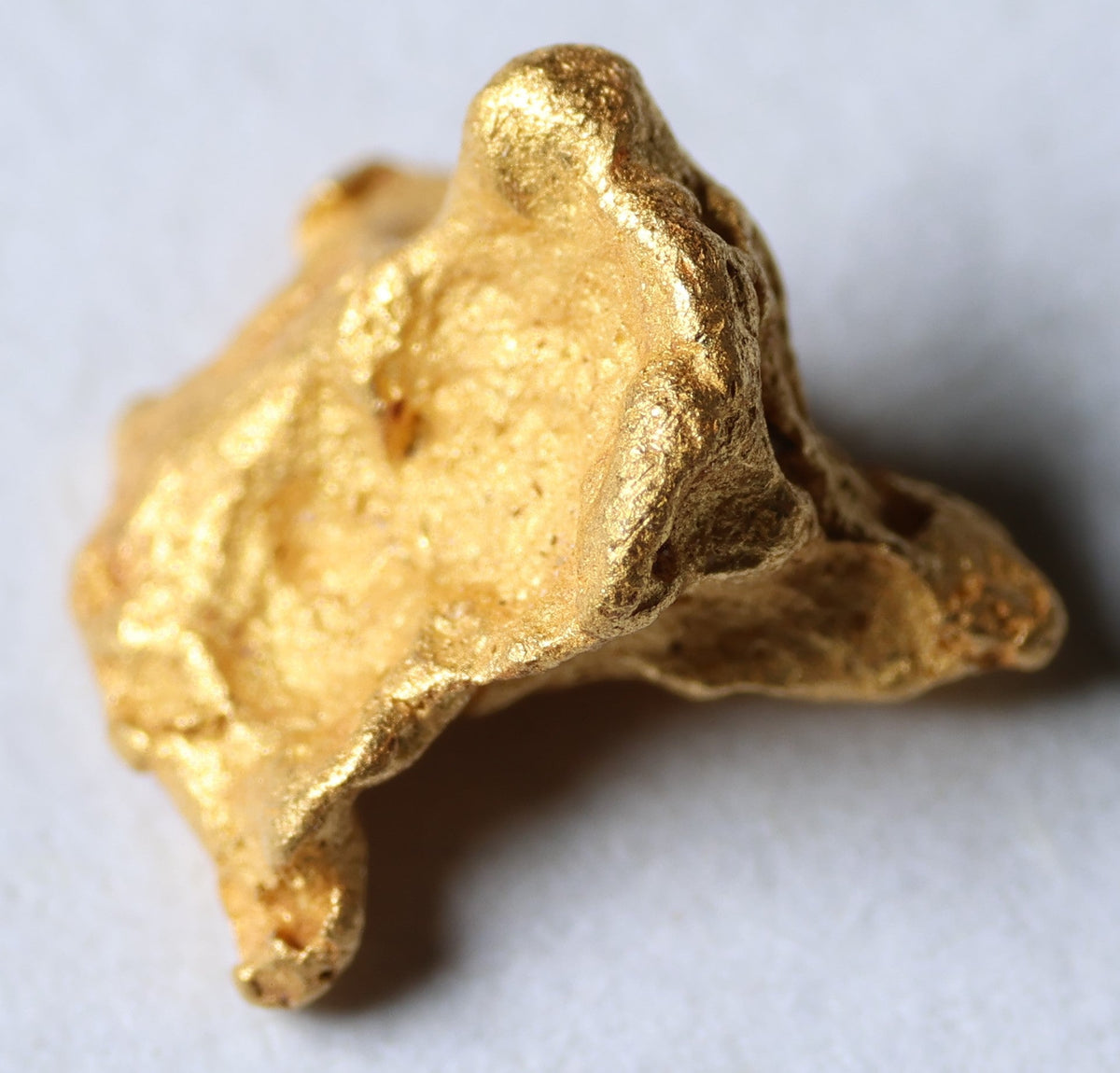
The 0.2004g listing identifies the photograph as a reference image. The supplied nugget is described as a genuine natural Australian gold nugget with the stated exact weight and its own natural shape. This distinction is important when assessing product photography.
What a trustworthy listing should show
A natural gold nugget listing should contain enough information to assess the item before purchase.
Check for:
Accurate weight
Weight should be stated to three or four decimal places for small samples.Clear photographs
Images should show the surface, outline and scale from more than one angle where possible.Honest image descriptions
A reference image should be identified as a reference image. Stock imagery should not be presented as the exact nugget supplied.Stated origin
The country or region of origin should be disclosed.Purity information
A stated purity range, fineness or testing basis should be provided where available.Delivery and returns information
Insurance, delivery method and the applicable returns policy should be clear.
A product page that provides exact weight, Australian origin, natural purity information and an honest description of the photograph offers a more reliable basis for comparison.

Handling and storage
Gold is dense but relatively soft. A natural nugget can be scratched by harder metals, loose stones or abrasive surfaces.
Recommended handling and storage practices include:
- Handle the nugget over a clean tray or soft cloth.
- Avoid dropping small or irregular specimens.
- Store it in a capsule, display case or separate protective container.
- Keep it away from loose jewellery and harder minerals.
- Limit unnecessary handling.
- Record the weight, origin and purchase details.
- Do not polish or file the surface.
- Avoid abrasive cleaning products.
The original surface is part of the specimen. Heavy polishing can remove natural texture and reduce evidence of its formation.
Resale considerations
Resale value is not based only on the current spot price of gold.
A future buyer may assess:
- Verified weight
- Stated or tested purity
- Australian or regional provenance
- Natural surface condition
- Shape and visual appeal
- Original invoice or documentation
- Dealer reputation
- Comparable market prices
Small samples may have a higher retail premium per gram because of sourcing, handling, packaging and fulfilment costs. The retail purchase price should not be treated as an automatic resale valuation.
Preserving the original condition and retaining accurate documentation can make later assessment easier.
For additional background, see Looking For Your First Raw Gold Nugget? Here Are 10 Things Beginners Should Know. For potential jewellery applications, see Natural Gold Nugget Pendant Ideas: 30 Heirloom-Worthy Designs to Inspire You.
FAQ
Are natural gold nuggets worth more than bullion?
They can command a premium over their fine-gold content because they are rare geological specimens with individual shapes, surfaces and provenance. The premium varies by specimen and is not guaranteed to be recovered on resale.
Are Australian gold nuggets pure gold?
No. Natural Australian gold nuggets contain gold combined with naturally occurring silver, copper and other elements. Gold2u listings commonly state an approximate natural purity range of 92–98%.
What is the difference between a raw gold nugget and a gold bar?
A raw gold nugget retains its naturally formed shape and surface. A gold bar is melted, refined and manufactured to a standard weight and form.
Is a 0.095-gram gold nugget too small for a collection?
No. It is a valid entry-level sample. It allows the collector to examine natural gold texture, colour and scale without purchasing a larger specimen.
How should a natural gold nugget be stored?
Store it separately in a protective capsule or display case, away from harder metals and abrasive materials. Avoid polishing or aggressive cleaning.
What should be checked before buying gold nuggets in the UK?
Check the exact weight, stated purity, origin, photographs, image descriptions, delivery terms, returns policy and the seller’s authenticity information. Listings should not use misleading stock imagery.