Why Everyone Is Talking About UK Gold Coins Before the October Budget (And You Should Too)

The UK Budget will take place on 28 October 2026, according to the official HM Treasury announcement.
The date has increased attention on taxation, inflation, government borrowing and physical assets. UK gold coins are central to the discussion because certain legal-tender coins, including Gold Sovereigns and Gold Britannias, are generally exempt from UK Capital Gains Tax.
Search interest for “how to buy gold” has also reportedly reached a 20-year high. Exact search-volume data has not been published in the available public commentary, but heightened dealer demand and media coverage indicate increased interest in physical gold before the Budget.
Why the October Budget matters
The Budget may include changes affecting personal taxation, investment allowances and capital gains. The final measures will not be confirmed until the Chancellor delivers the statement.
Capital Gains Tax can apply when an asset is sold for more than its acquisition cost. The applicable rate depends on the taxpayer’s circumstances and the type of asset. The current CGT framework is outlined by GOV.UK.
This has focused attention on assets with specific exemptions. UK legal-tender gold coins occupy a distinct position because qualifying Sovereigns and Britannias are not treated in the same way as many investment assets or non-UK precious-metal products.
The relevant distinction is not simply whether an item contains gold. It is whether the specific coin qualifies under the applicable legal-tender and tax rules.
What “tax-free gold” means in the UK
The phrase “tax-free gold” is imprecise.
For UK investors, it usually refers to gold coins that are:
- Recognised as UK legal tender.
- Issued within an established British coinage programme.
- Eligible for the applicable CGT exemption.
- Purchased for investment or collection rather than as part of a trading business.
Gold Sovereigns and Britannias are the best-known examples. The Royal Mint’s bullion information states that its gold bullion coins are exempt from Capital Gains Tax and benefit from VAT exemption.
This treatment differs from gold bars and from many foreign coins. A bar may provide direct exposure to the gold price but does not have the same legal-tender status. Foreign coins may also require separate tax analysis.
Tax treatment can depend on the product, ownership structure and circumstances of the seller. A professional tax adviser should be consulted before making a purchase based on tax considerations.
Why Sovereigns and Britannias are receiving attention
Sovereigns and Britannias combine several characteristics that are currently attracting buyers.
Legal-tender status
The coins are issued as British currency. This is the basis of their recognised CGT treatment.
Established market recognition
Both coins are widely known in the UK precious-metals market. Their designs, denominations, weights and specifications are readily identifiable.
Fractional availability
Gold is available in different coin sizes, including full Sovereigns, half Sovereigns and quarter Sovereigns. Fractional formats allow purchases at lower absolute values than a one-ounce bar or coin.
Liquidity
Recognised British coins are generally easier to identify, price and resell than obscure or poorly documented pieces. Liquidity still depends on condition, authenticity, market price and the dealer or buyer involved.
Collectability
A Sovereign can have value beyond its metal content. Date, monarch, mint mark, rarity, condition and historical context may affect the price.
This distinction is important. A modern bullion coin is typically valued primarily according to its gold content and market premium. A historical gold coin may also carry a numismatic premium.
Historical gold coins provide a different buying proposition
Gold2u’s historical gold coin collection includes coins from the Victorian, Edwardian and modern periods.
Available examples include:
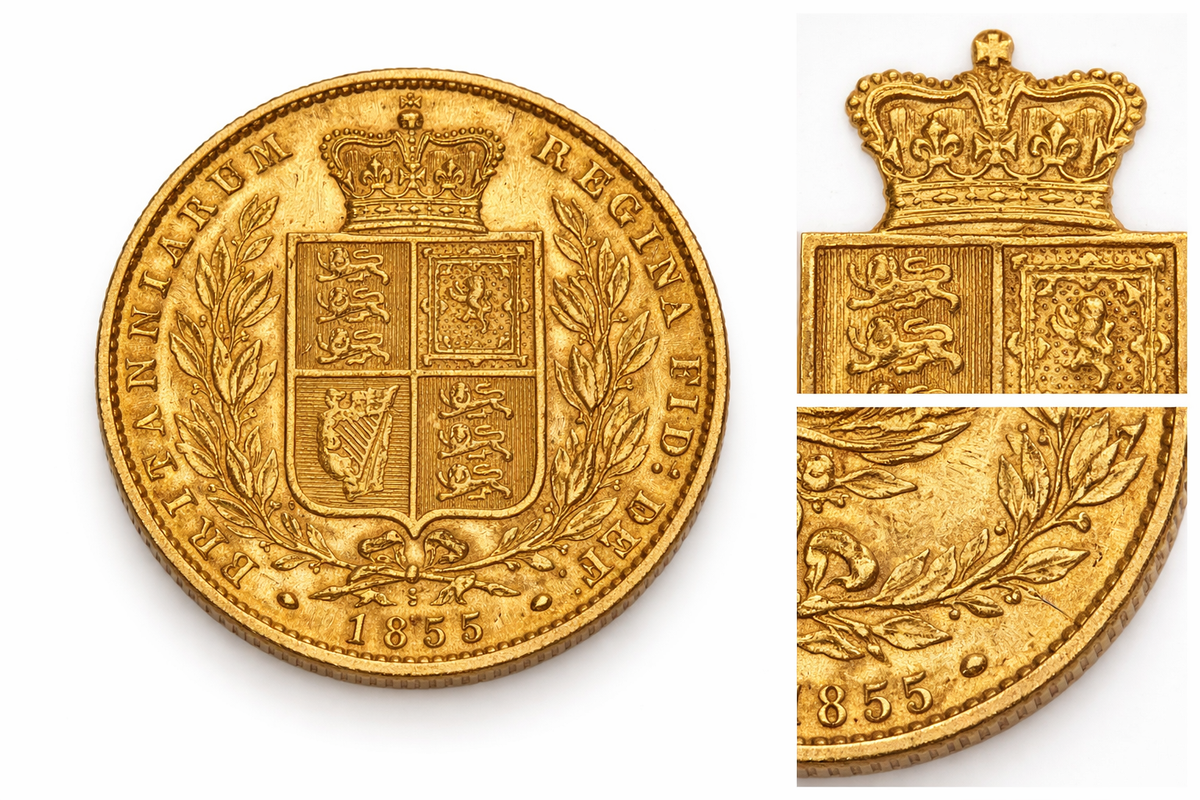
- 1873 Queen Victoria Full Gold Sovereign – Sydney Mint
- 1917 King George V Full Gold Sovereign – Perth Mint
- 1871 Queen Victoria Full Gold Sovereign
- 1855 Queen Victoria Full Gold Sovereign
- [1893 Queen Victoria Gold Sovereign](https://gold2u.co.uk/products/1893-queen Victoria-gold-sovereign?variant=55647012454786)
These are not interchangeable products. A Sydney Mint Sovereign and a Perth Mint Sovereign may share the same broad denomination and gold standard but differ in historical background, scarcity and collector interest.
Before buying, the relevant attributes should be verified:
- Date.
- Monarch.
- Mint.
- Denomination.
- Gold fineness.
- Gross weight.
- Condition.
- Packaging or documentation.
- Availability.
- Price relative to the metal value.
The term rare gold coins should also be applied carefully. Rarity is determined by factors such as mintage, survival rate, demand and condition. An old coin is not automatically rare.
Antique gold coins versus bullion coins
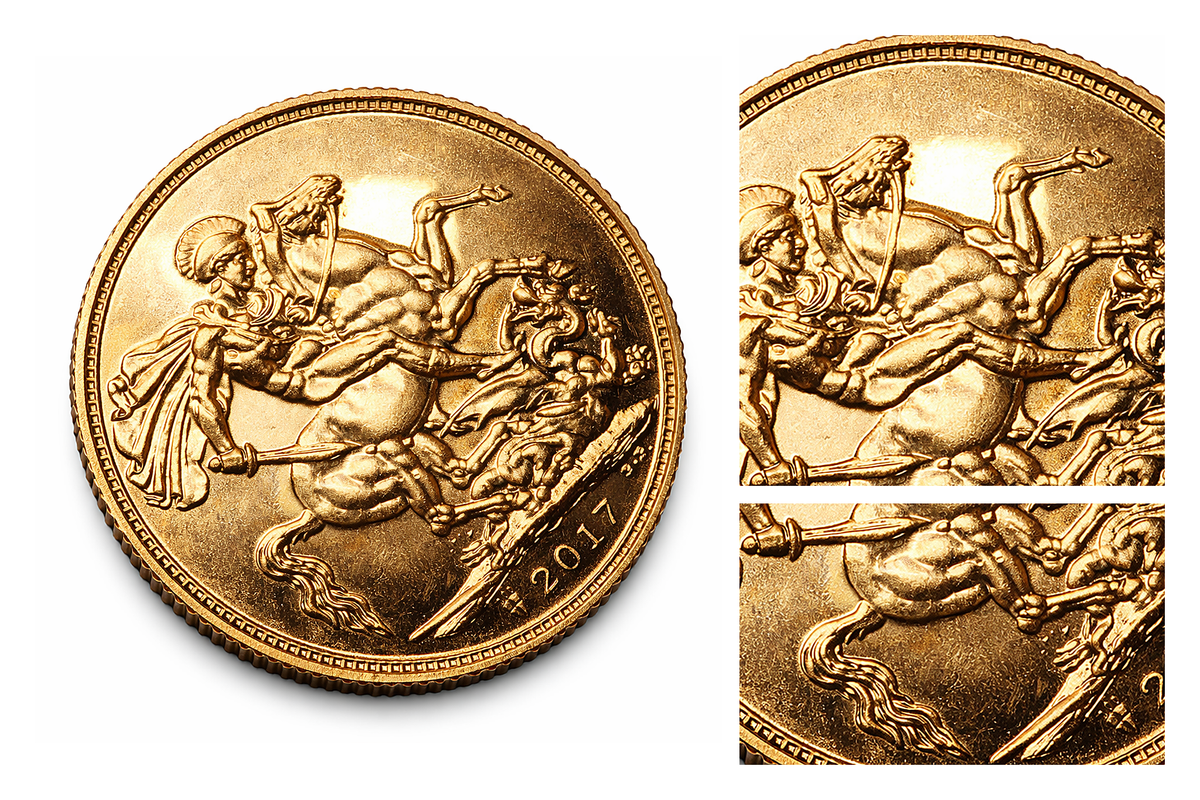
Antique gold coins can appeal to collectors interested in history, portraiture, minting technology and provenance. Their price may reflect both gold value and numismatic characteristics.
Bullion coins are usually more straightforward. Their price is typically linked to:
- The prevailing gold price.
- The coin’s gold weight.
- The dealer premium.
- Condition and market availability.
Antique gold coins may require more detailed assessment. Small differences in date, mint mark, striking quality and preservation can affect value.
A buyer seeking a straightforward gold allocation may prioritise standard bullion specifications. A buyer seeking historical significance may prioritise date, monarch, mint and condition. Some coins satisfy both purposes, but the priorities should be identified before purchase.
Why searches for “how to buy gold” have increased
The reported rise in “how to buy gold” searches reflects several overlapping concerns:
- The approaching Budget.
- Possible changes to CGT rates or allowances.
- Inflation and currency risk.
- Global geopolitical uncertainty.
- Higher public borrowing.
- Continued interest in tangible assets.
- Increased gold prices and media coverage.
Search activity does not confirm that gold prices will rise or that a tax change will occur. It indicates demand for information.
The practical buying questions remain unchanged:
- Is the product authentic?
- What is the gold content?
- Is the item legal tender?
- Does the claimed tax treatment apply?
- What premium is being paid?
- Is the coin intended for collecting, investment or both?
- Is the dealer transparent about condition and provenance?
What to check before buying UK gold coins
1. Confirm the product category
Determine whether the item is a legal-tender bullion coin, a historical coin, a commemorative issue, a foreign coin or a medallion.
2. Check the specification
Review weight, fineness, denomination, diameter and date. These details should correspond with recognised numismatic or issuer specifications.
3. Separate metal value from collector value
A historical premium may increase the purchase price. It may also affect resale conditions. The premium should be understood before purchase.
4. Verify the tax position
CGT exemption is not a blanket exemption for every gold product. The treatment of Sovereigns and Britannias should not automatically be applied to bars, foreign coins or unrelated commemorative pieces.
5. Review authenticity information
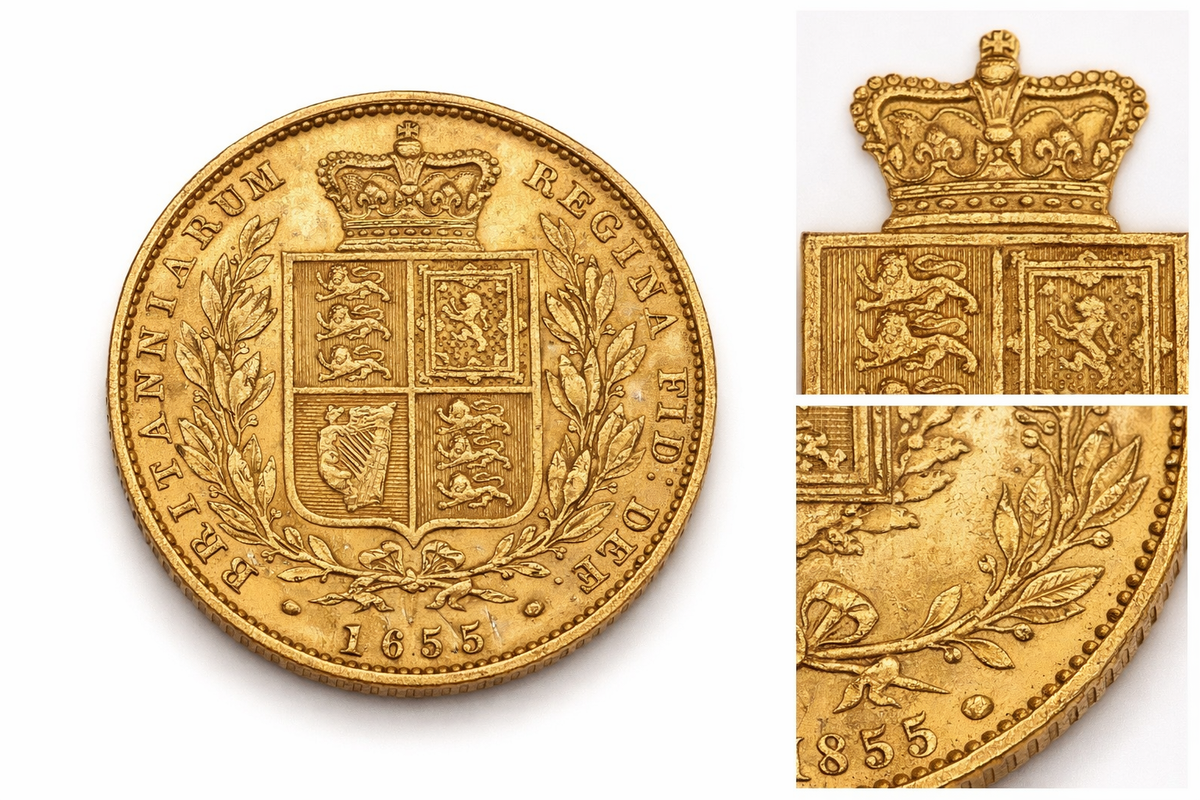
Images, descriptions and provenance records should be consistent. High-value purchases require appropriate authentication and documentation.
6. Consider storage and insurance
Physical gold requires secure storage. Insurance terms may depend on value, location and security arrangements.
Is buying before the Budget appropriate?
The Budget date explains the current interest. It does not establish that buying before the announcement is financially suitable.
The main risks include:
- Gold-price volatility.
- Dealer premiums.
- Limited availability of particular dates or mint issues.
- Changes in tax legislation.
- Resale spreads.
- Authentication risk.
- Storage costs.
- Holding-period uncertainty.
Purchases made solely on the expectation of a tax change can create unnecessary risk. The product, pricing, tax status and intended holding period should be assessed independently.
The Gold2u collection
Gold2u specialises in authentic precious metals, historical treasures and fine jewellery. The Gold2u gold coin collection includes historical Sovereigns, commemorative pieces and other collectable gold coins.
The collection includes accessible fractional pieces as well as higher-value historical examples. This allows buyers to compare modern and historical formats within one category.
For buyers researching UK gold coins before the October Budget, the relevant distinction is clear:
- Sovereigns and Britannias: recognised UK legal-tender coins with established CGT treatment.
- Historical gold coins: products with potential numismatic and historical premiums.
- Rare gold coins: coins whose scarcity and condition may materially affect value.
- Antique gold coins: older pieces requiring closer assessment of date, mint, authenticity and preservation.
The Budget will determine whether the tax framework changes. Until then, the current focus remains on legal-tender status, verified specifications and documented authenticity.
This article is for general information only and does not constitute tax, investment or financial advice. Tax treatment can change and depends on the product and the owner’s circumstances. Professional advice should be obtained before purchase.